 ENG
ENG
 INA
INA
FISIP Udayana Holds Guest Lecture: The Relationship Between Business Groups and the State in Achieving the Global Development Agenda
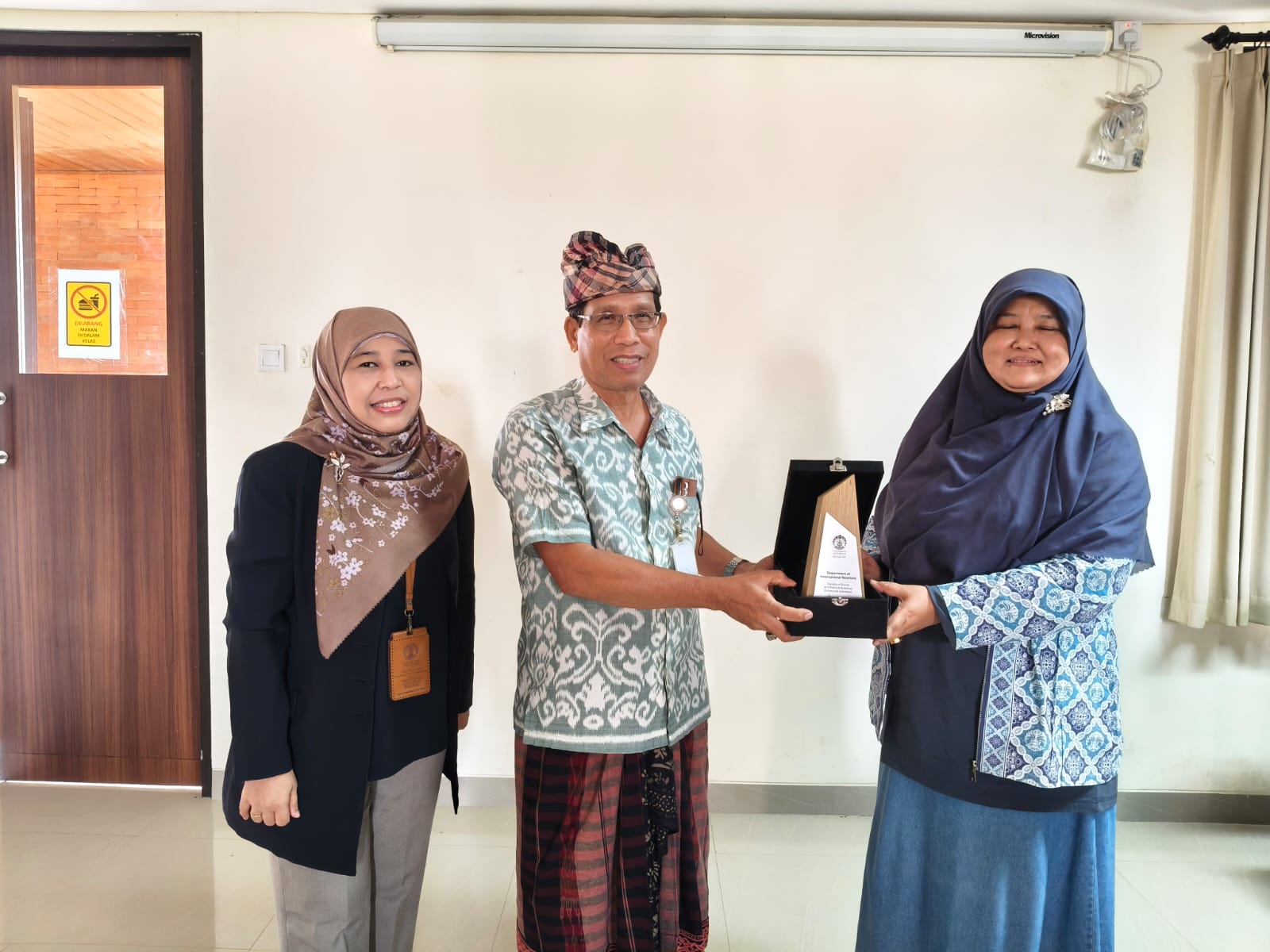
Denpasar – The Undergraduate Program in International Relations at the Faculty of Social and Political Sciences (FISIP), Universitas Udayana, held a Guest Lecture on Wednesday, 6 November 2025, for the course MNC and Global Politics. The event featured Asra Virgianita, Ph.D., Associate Professor at the Department of International Relations, FISIP Universitas Indonesia, as the keynote speaker.
In her lecture titled “The Relationship Between the State and Business in Achieving the Global Development Agenda: Collaboration or Cooptation,” Dr. Asra critically examined how states and large corporations play strategic—yet often problematic—roles in advancing the global development agenda, including the Sustainable Development Goals (SDGs).
The lecture explored various theoretical perspectives, including Neoliberal Institutionalism, the Developmental State, State Capitalism, Embedded Autonomy, and Network Governance. Dr. Asra highlighted how each approach interprets state–business relations in the context of globalization, and how the dominance of major business actors can shape public policy direction and substance—frequently blurring the line between collaboration and cooptation.
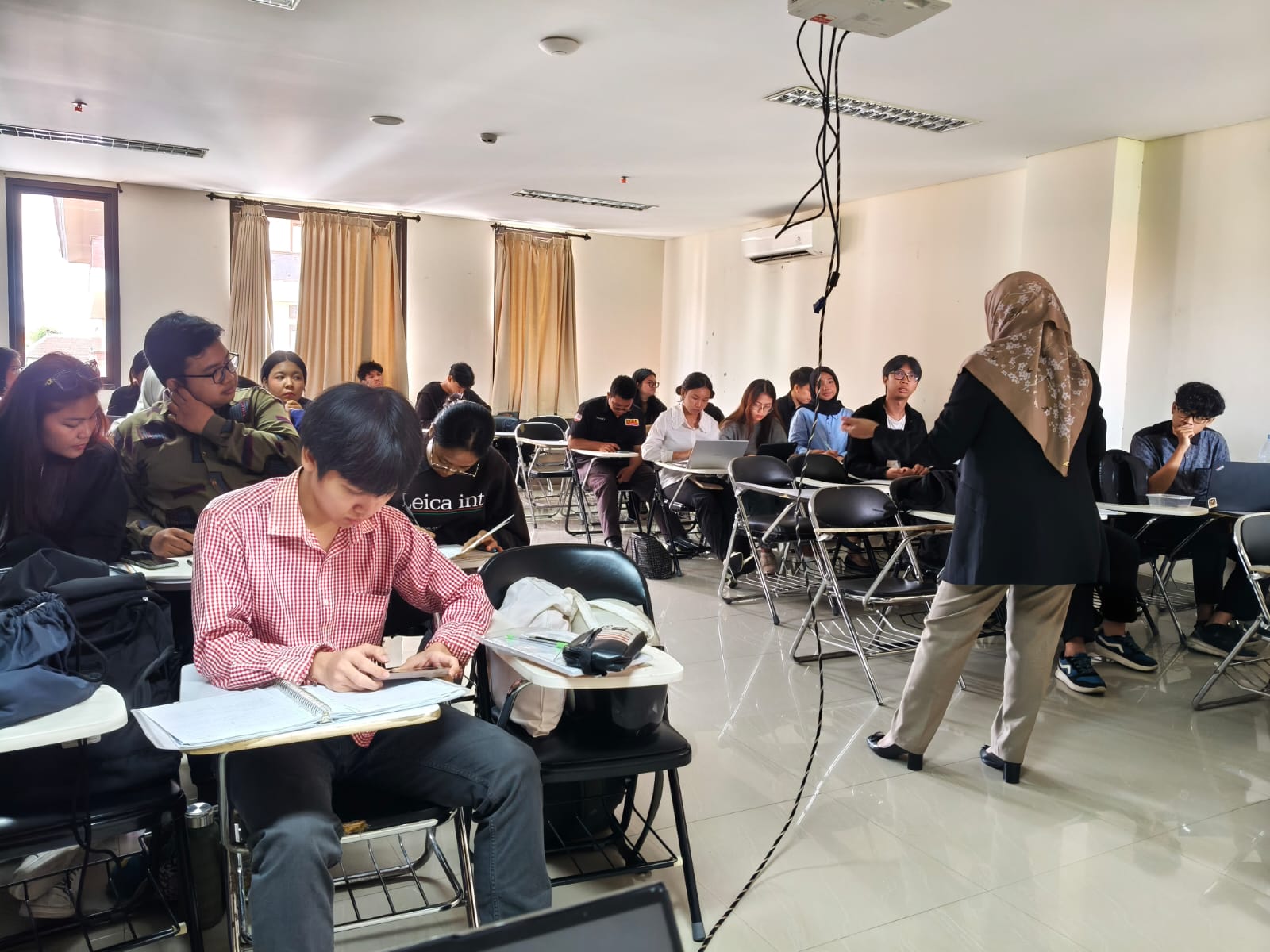
The discussion session was dynamic and reflective. Students raised critical questions concerning climate change, green energy investment, digital monopolies by global technology corporations, and potential conflicts of interest in state policies that rely heavily on partnerships with multinational corporations. Several participants also emphasized challenges related to transparency, accountability, and public representation in decision-making processes involving the private sector.
Dr. Asra stressed the importance of building equitable collaborative governance, where the state retains its strategic role as the director of development rather than merely facilitating market interests. She encouraged students to view the SDGs not simply as a technocratic agenda, but as a contested arena of values, interests, and power.
The lecture served as a learning platform that not only broadened students’ theoretical understanding but also strengthened their critical awareness of global political dynamics shaping the future of sustainable development.
The Head of the International Relations Study Program at FISIP Universitas Udayana, Ni Wayan Rainy Priadarsini, M.Hub.Int., stated that Dr. Asra’s guest lecture provided a more critical approach to analyzing state–multinational corporation relations, particularly in the context of developing countries.
“The relationship between the state and business, which ideally should be interdependent, cooperative, and collaborative, often shifts into an imbalanced dynamic—characterized by dependency, cooptation, competition, or even conflict. The SDGs agenda, which should prioritize public welfare, does not always unfold as intended, as both state and corporate activities frequently lean toward profit-oriented interests,” Rainy explained.
She added that through this lecture, students gained a deeper understanding of the complexities of state–corporate relations within the global economic landscape, while developing a critical perspective on the governance challenges of inclusive and sustainable development.
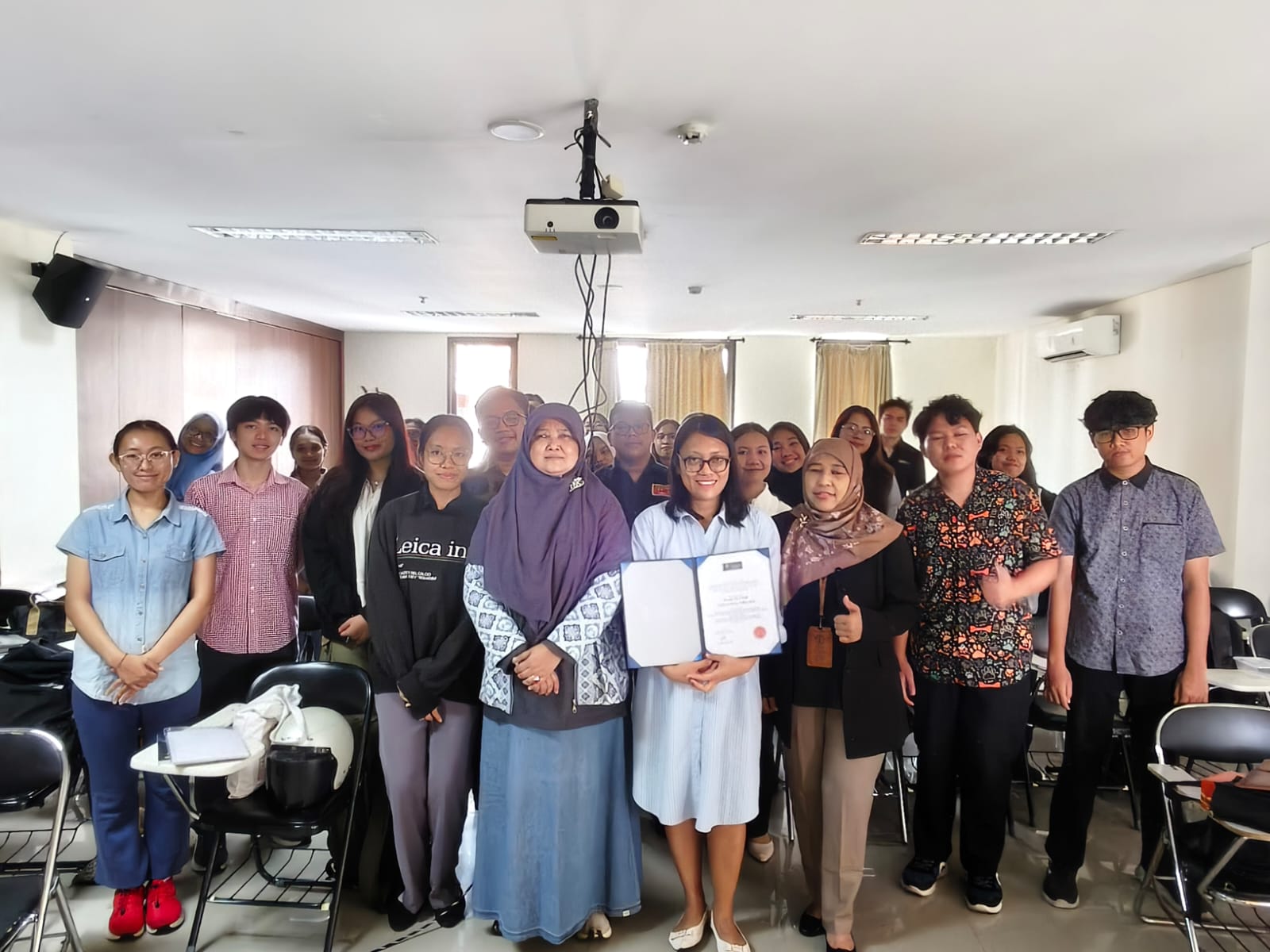
Students attending the guest lecture showed strong enthusiasm, posing thoughtful and critical questions to the guest speaker. The student with the most engaging question received a souvenir from the Department of International Relations, FISIP UI.
Before the lecture concluded, a token of appreciation was presented to the Head of the International Relations Study Program and the Dean of FISIP Universitas Udayana.
This guest lecture represents one form of implementation of the Memorandum of Understanding (MoU) between FISIP Universitas Indonesia and FISIP Universitas Udayana regarding human resource development, education, research, community service, as well as academic collaboration and exchange.
Gallery
UDAYANA UNIVERSITY