 ENG
ENG
 INA
INA
The IR of the Faculty of Social and Political Sciences, Udayana University, held a seminar with the theme "Gender positionality, global migration, and national identity: lessons learned from research on Indonesian migrant workers in the UAE."
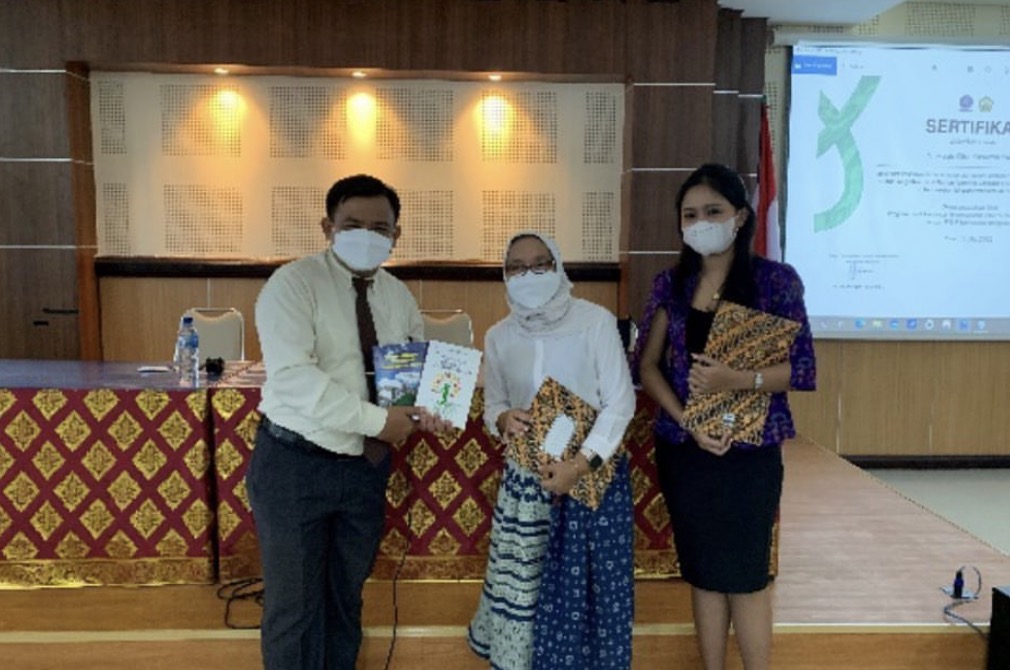
The International Relations Study Program, Faculty of Social and Political Sciences, Udayana University, held a seminar entitled “Gender Positionality, Global Migration, and National Identity: Lessons Learned from Research on Indonesian Migrant Workers in the UAE.” The event took place at the FISIP Hall, Udayana University Sudirman Campus.
The seminar highlighted the issue of the dominance of Indonesian women as migrant workers, particularly in the United Arab Emirates. The discussion focused on a critical analysis of the relationship between gender, social positionality, and its implications for national identity within the context of global migration.
The seminar featured Dr. Titiek Kartika Hendrastiti, a lecturer from the Public Administration Study Program, Faculty of Social and Political Sciences, Universitas Bengkulu, as the keynote speaker. In her presentation, she explained how the concept of intersectionality is essential in understanding the complexities faced by female migrant workers, especially those working in the domestic sector.
Intersectionality refers to an approach that examines individuals through multiple layers of social identity, such as race, ethnicity, gender, social class, geographic background, and age. These factors interact within broader systems of power, including laws, policies, and political structures that shape individual experiences.
Furthermore, she emphasized that female migrant workers face not only economic challenges but also various forms of social marginalization influenced by their gendered positions. Therefore, understanding intersectionality is crucial in promoting more inclusive and equitable policies for Indonesian migrant workers.
Through this seminar, students are expected to broaden their perspectives on global migration issues and gain a deeper, more critical understanding of the relationship between gender, social positioning, and national identity.
UDAYANA UNIVERSITY